
Why Mat Etiquette Shapes Your First Months of Training
Understanding jiu jitsu etiquette for beginners makes your first weeks on the mats far less stressful. Every academy has customs that keep training safe and respectful, and learning them early helps you earn your partners’ trust quickly.
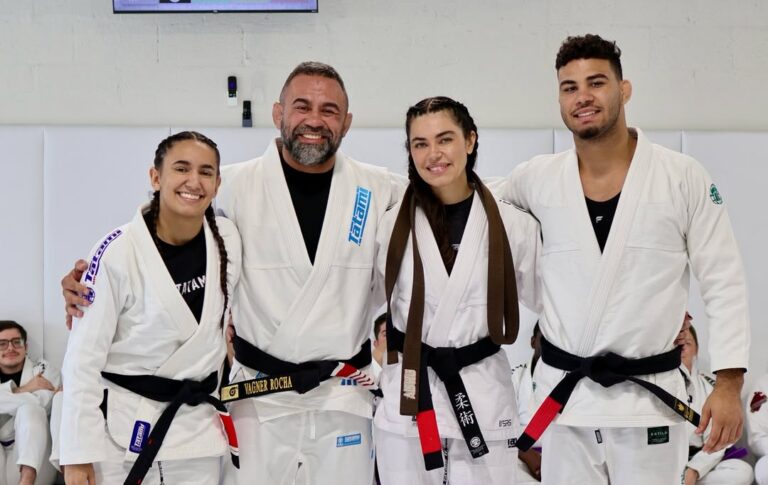
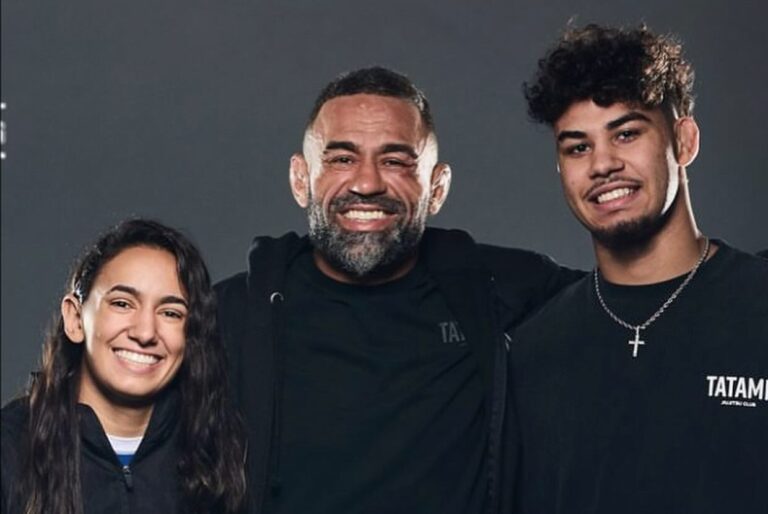
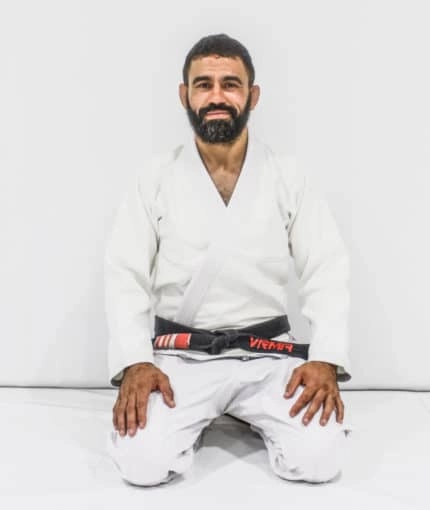
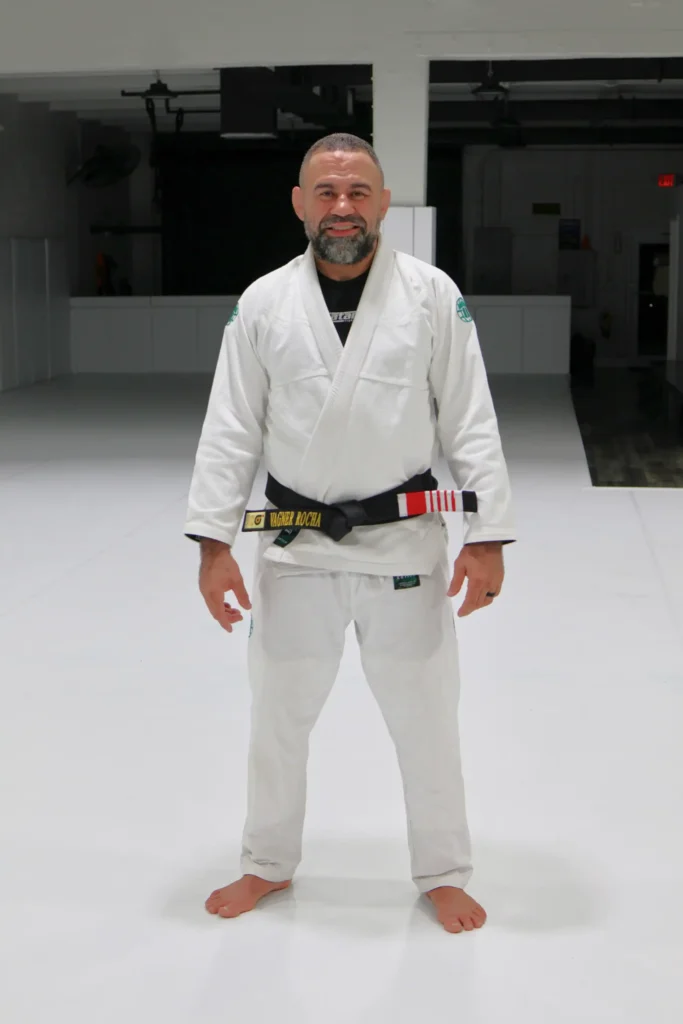
Before your visit to Vagner Rocha Martial Arts in Hollywood, FL, you can also meet the academy’s coaching team online and learn who will guide your training. Knowing the basics ahead of time helps you focus on learning from day one.
DISCOVER VAGNER ROCHA MARTIAL ARTS
CLICK HEREJiu Jitsu Etiquette for Beginners: Core Mat Rules
Most of the jiu jitsu etiquette for beginners comes down to safety, cleanliness, and respect. These four habits apply in nearly every academy, and following them shows partners and coaches that you take training seriously.
Arriving Clean and Prepared
Clean training gear, short fingernails, and fresh skin are non-negotiable in a close-contact sport. Wash your gi or rash guard after every session and cover any cuts before stepping onto the mats.
Hygiene basics are also part of starting jiu jitsu as a beginner, and the principle is simple. If you would not want a partner arriving that way, do not arrive that way yourself.
Footwear On, Footwear Off
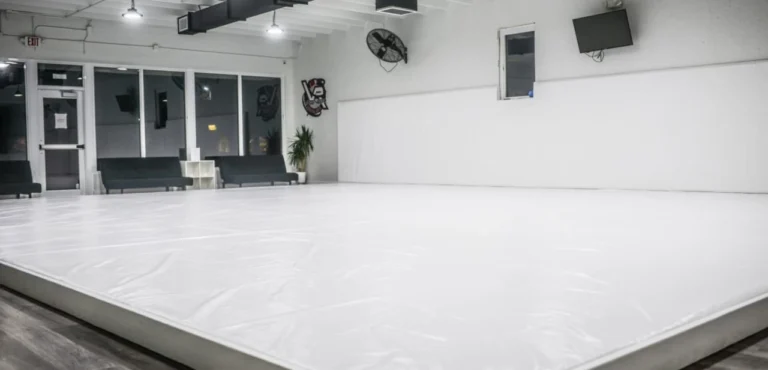
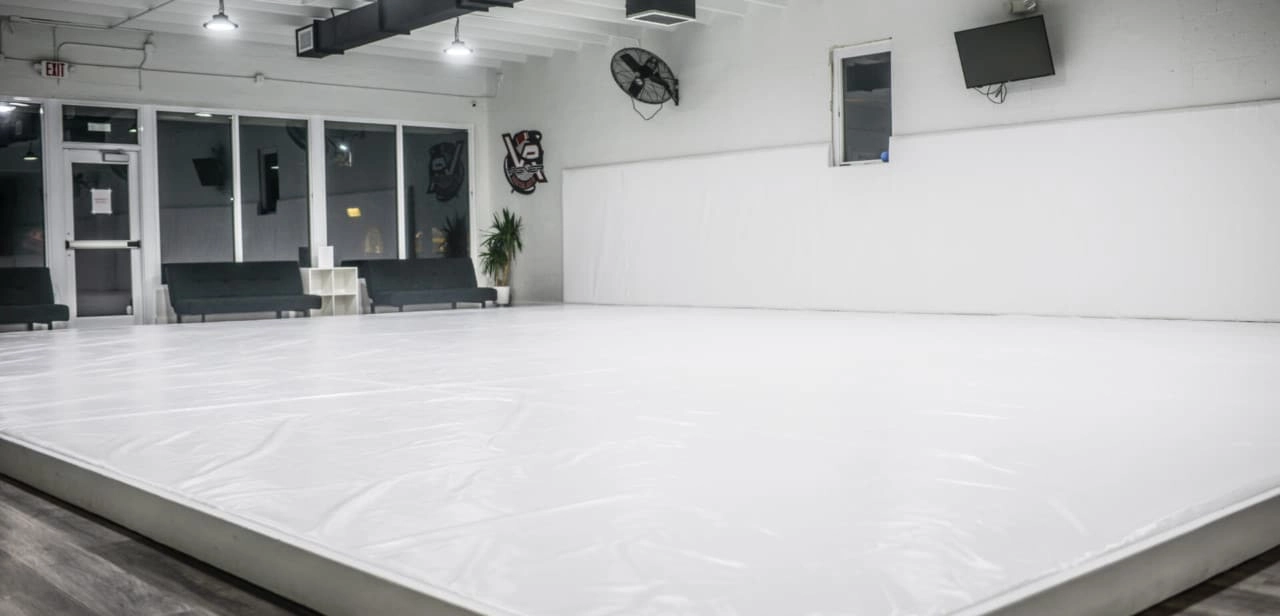
Shoes never touch the mats, and bare feet never walk into restrooms or outside areas. Wear sandals between the locker room and the training area so you do not track dirt onto surfaces where faces land.
This small habit protects everyone from skin infections. Many academies also ask students to bow or pause briefly when stepping onto the mat, a simple sign of respect for the space and the people in it.
Being on Time and Respecting Class Flow
Arriving a few minutes early lets you change, warm up, and join the line-up without rushing. If you are late, wait at the edge of the mat until the instructor acknowledges you before joining.
During technique instruction, stay quiet and focused. Side conversations or drilling something different from what was demonstrated can distract partners and slow down the class for everyone involved.
Listening to the Instructor
When the coach claps or calls time, stop immediately and give them your attention. Instant responses are a safety measure, especially when many pairs are moving at once in a shared space.
Save detailed questions for natural breaks or the end of class. Instructors appreciate curiosity, and timing your questions well keeps the session organized for every student on the mat.
Rolling Etiquette: How to Be a Great Training Partner
Live sparring, often called rolling, is where etiquette matters most. How you treat partners during these rounds determines who wants to train with you and how quickly the whole group improves.
Tapping Early and Respecting the Tap
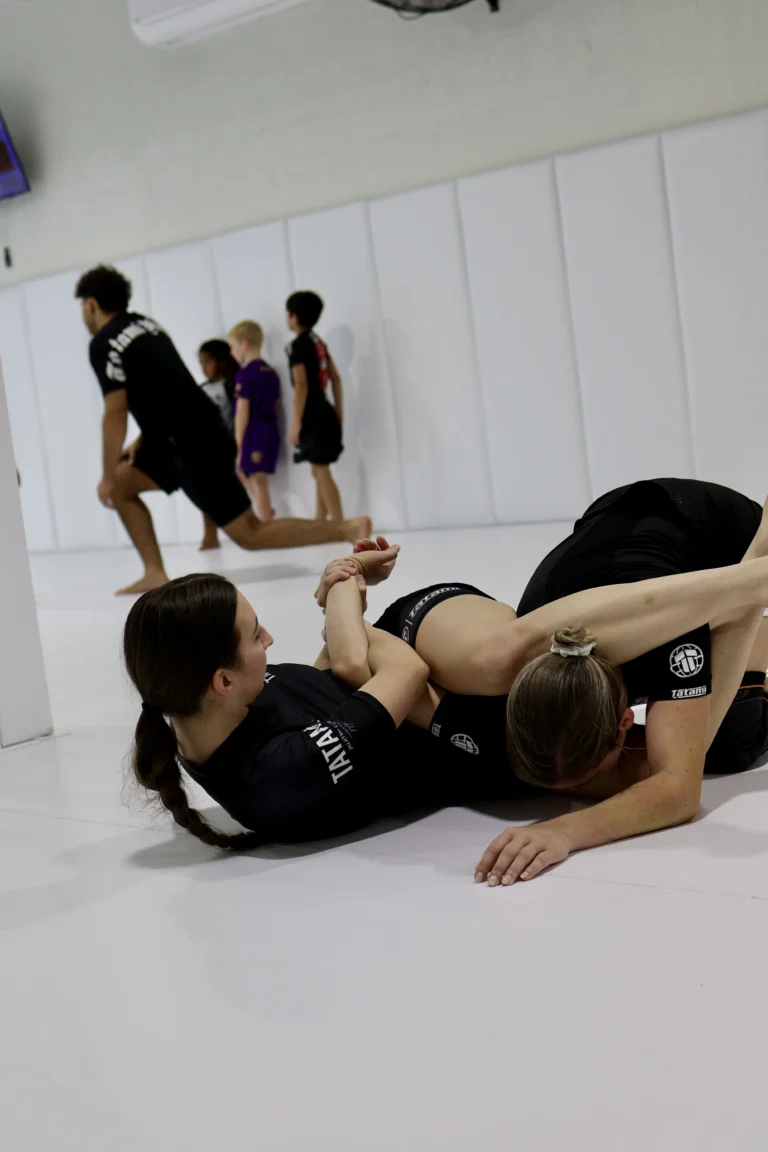
A tap, whether with the hand, the foot, or a verbal signal, ends the exchange instantly. Release the submission the moment you feel or hear it, and never crank a lock to prove a point.
Tapping early is not weakness; it is one of the best tools for injury prevention on the mats. Partners who tap freely stay healthy and keep training for years instead of weeks.
Matching Intensity to Your Partner
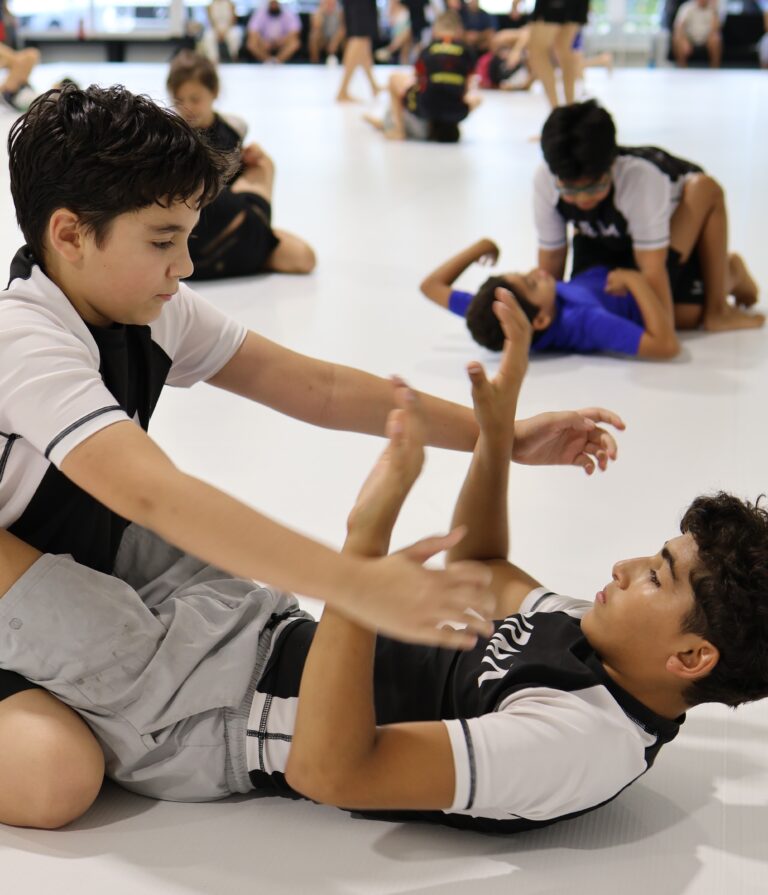
Adjust your pace and pressure to the person in front of you. A heavier or more experienced partner should not overpower a newer student, and younger or smaller teammates deserve the same care.
Explosive movements without control cause many accidental collisions. Flowing at a steady pace lets both partners practice technique, which is the real goal of rolling in a training environment.
Choosing Partners and Watching Your Space
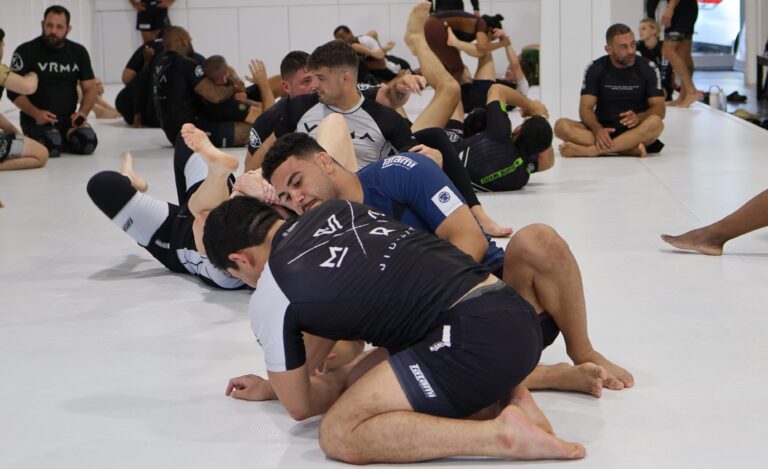
Asking someone to roll with a simple gesture or a fist bump is standard practice. Before you start, glance around and make sure you have enough room away from walls and other pairs.
When pairs drift too close, either partner can call a pause and reset toward open space. Solid defensive skills, like escaping side control, also help you recover position without wild scrambles near others.
Respect, Culture, and the Academy Community
Beyond rules about hygiene and sparring, etiquette reflects the culture of the room. Small gestures of respect build a training environment where students feel welcome and stay committed over time.
Respecting Higher Ranks Without Fear
Experienced students often line up first and may be asked to help newer teammates. Treat their guidance with respect, but remember that every rank started exactly where you are now.
Understanding how belt promotions work helps you see rank as a measure of time and effort, not status. Promotions are decided by instructors, so avoid asking for stripes or comparing progress.
Coaching Only When Asked
Unsolicited coaching during a partner’s roll can be distracting, even with good intentions. Offer advice only when someone asks, and leave technical corrections to the instructor leading the session.
Similarly, avoid shouting instructions from the side of the mat. Supportive cheers are welcome, but constant directions can confuse students who are focused on applying what they learned in class.
Building a Training Family
Shake hands or bump fists before and after every round, and thank the people who helped you improve. These rituals turn a room of individuals into a supportive, consistent group.
Many academies welcome whole families on the mats, and parents training alongside their kids often bring the same courtesy home. Shared respect makes the academy feel like a second home for everyone.
Practical Guidance for Your First Weeks
Watch how experienced students behave and follow their lead, because customs vary slightly between academies. When you are unsure about a rule, ask the instructor before class rather than guessing during training.
Vagner Rocha Martial Arts offers trial classes for visitors who want to experience the environment firsthand. Check the trial class calendar to choose a date that fits your schedule.
Putting Mat Etiquette Into Practice
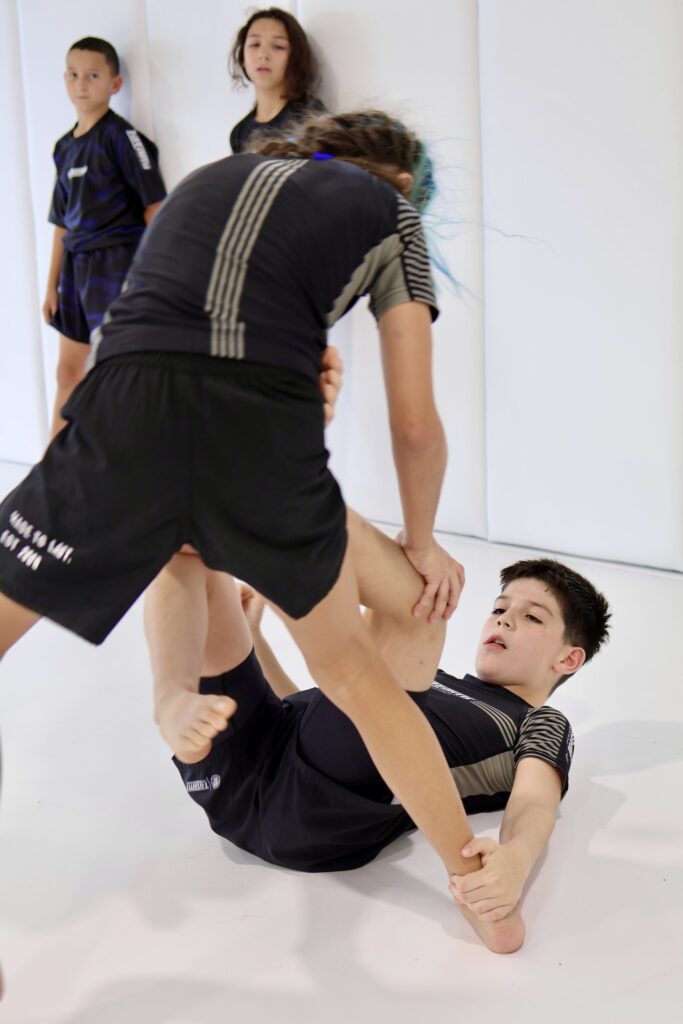
Practicing jiu jitsu etiquette for beginners comes down to three ideas: keep yourself and the mats clean, protect your partners, and respect the people who teach you. Everything else builds from those principles.
Consistent manners also make tough rounds feel safer and more productive. As you grow, you will notice that the most respected students are often the most considerate training partners in the room.
DISCOVER VAGNER ROCHA MARTIAL ARTS
CLICK HERETrain With Respect From Day One
Learning jiu jitsu etiquette for beginners is one of the fastest ways to feel at home in a new academy. Good manners earn trust, open doors to better training partners, and keep everyone healthy.
If you live in Hollywood, FL, or nearby South Florida communities, Vagner Rocha Martial Arts is ready to welcome you onto the mats. Bring a clean gi, an open mind, and a willingness to learn.