Why Safety Matters When You Start Jiu Jitsu
Learning how to avoid injuries in jiu jitsu is one of the smartest things a new student can do. The sport is safe when people train with care, and a few simple habits keep you healthy and on the mats week after week.
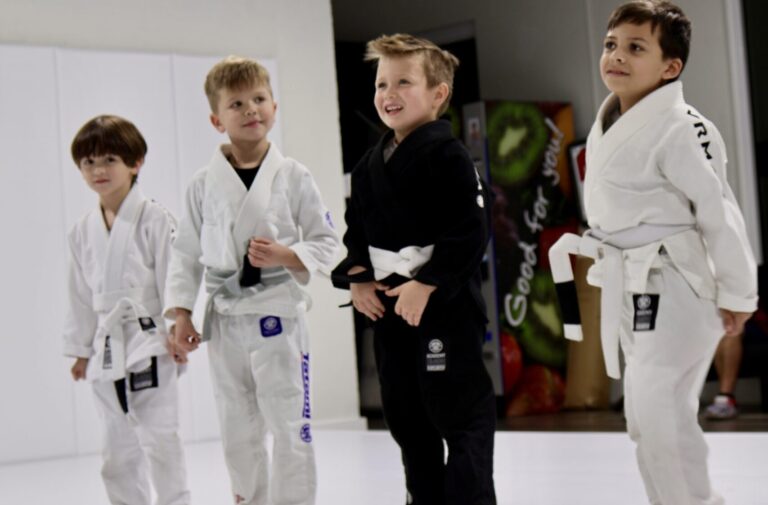
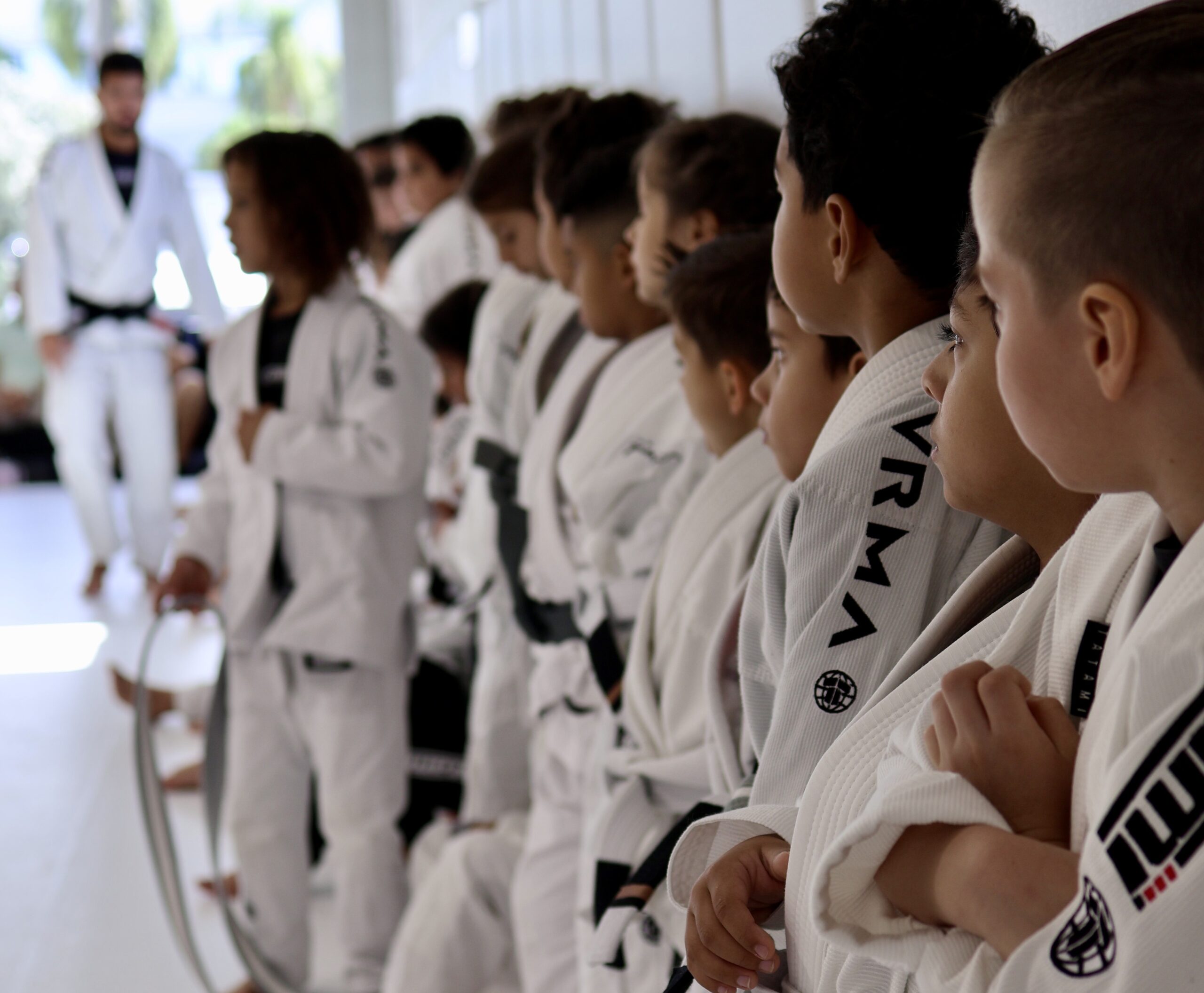
At Vagner Rocha Martial Arts in Hollywood, FL, every class is built around a safe, supportive training environment. Whether you join one of our programs for kids, teens, and adults, the same safety basics apply to every student who steps on the mats.
DISCOVER Vagner Rocha Martial Arts
CLICK HEREHow to Avoid Injuries in Jiu Jitsu Before Class Starts
Many injuries begin before the first technique is even shown. How you prepare your body, your gear, and your mindset shapes the rest of the session.
Warm Up Your Whole Body
Cold muscles and stiff joints are more likely to get strained. A good warm-up raises your heart rate and loosens your hips, shoulders, neck, and lower back, the areas that work hardest when you grapple.
Arrive a few minutes early so you never skip this part. If you are still learning what a normal class looks like, our guide on starting jiu jitsu as a beginner walks you through what to expect from day one.
Keep Your Nails, Skin, and Gear Clean
Not every injury is a sprain or a pulled muscle. Skin infections spread easily on shared mats, so trim your fingernails and toenails, wash your uniform after every class, and shower soon after training.
Cover any cuts before you train and stay home if you notice a rash. These small steps protect you and every partner you train with that day.
Listen to Your Body Before You Train
Sleep, stress, and old injuries all change how your body feels on any given day. If your knee or shoulder feels off, tell your coach before class so they can help you adjust what you do.
This matters even more as we get older and recovery takes longer. Our article on martial arts for adults explains how regular training helps keep your joints moving through a full range of motion.
Set the Right Goal for Each Session
Beginners often treat every round like a final match. That mindset leads to rushed movements, wild scrambles, and injuries that could easily have been avoided.
Instead, choose one simple goal for the day, like escaping a position or keeping good posture. Learning slowly is still learning, and it keeps you healthy enough to come back for the next class.
Safe Habits During Drilling and Sparring
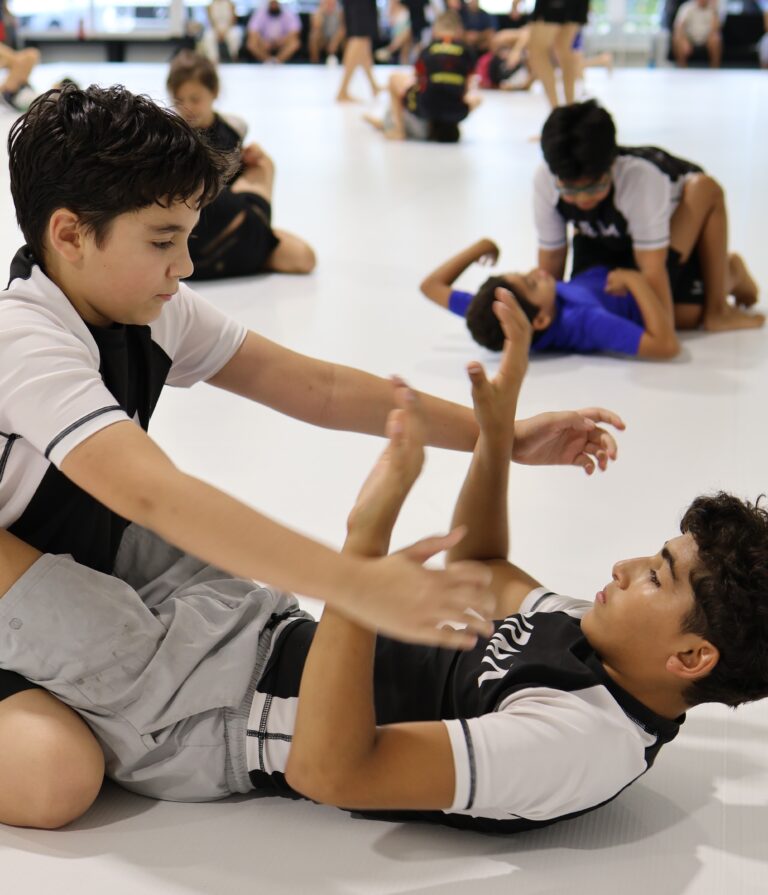
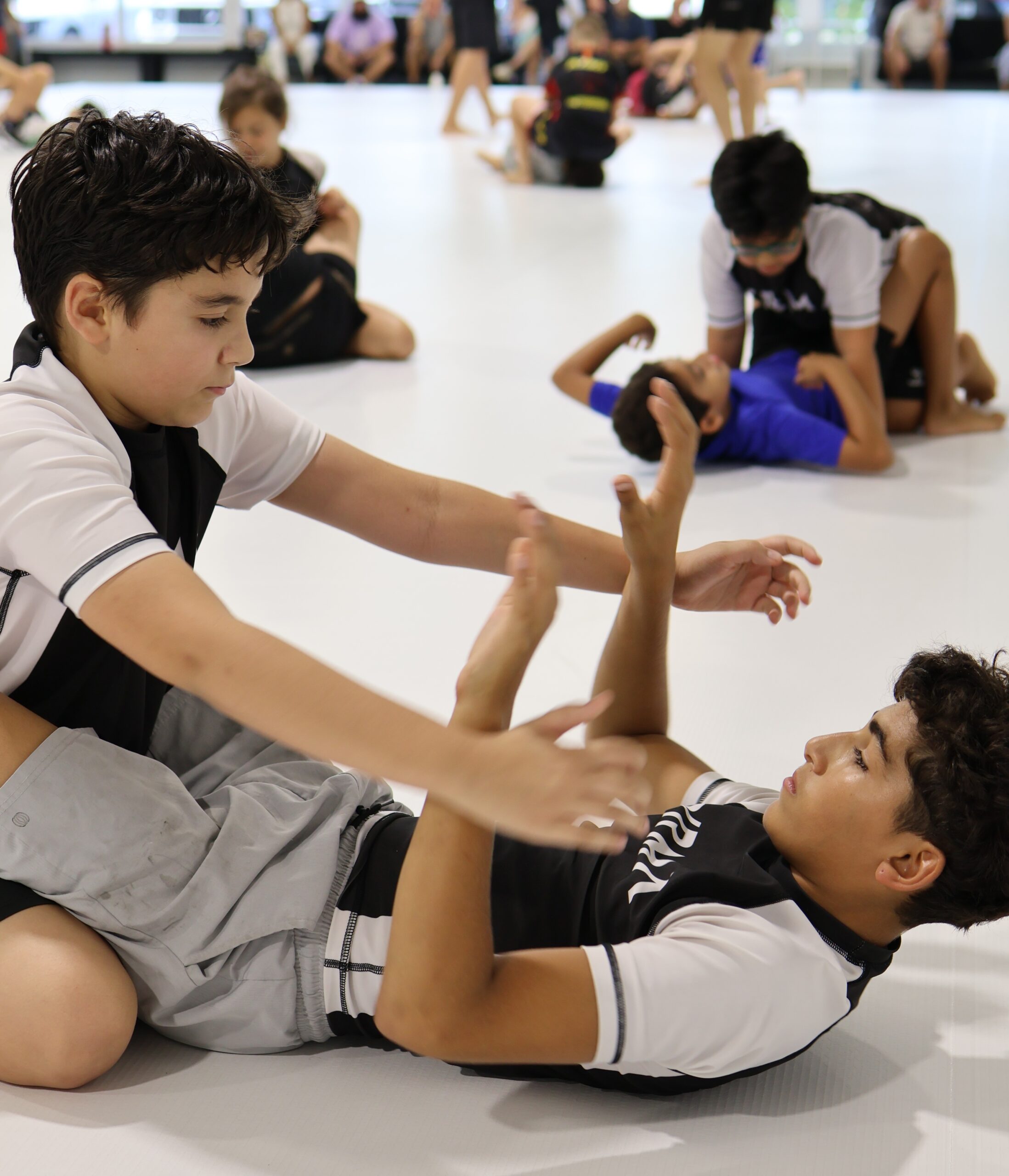
Most of your class time is spent with a partner. Knowing how to avoid injuries in jiu jitsu means paying close attention to how you move, talk, and react during these moments.
Tap Early and Tap Often
Tapping means giving up by patting your partner or the mat. It is not a sign of weakness. It is the main safety tool that lets people practice real techniques without getting hurt.
Tap as soon as you feel pressure on a joint or your neck, not when it starts to hurt. Students at every stage of the BJJ belt progression tap all the time, and it is a normal part of learning.
Control Your Speed and Strength
New students often use too much strength because they do not know the right technique yet. Sudden, jerky movements are a common cause of injuries for both partners.
Move at a speed your partner can follow. Jiu jitsu works through leverage and timing, so smooth and steady movement usually works better than raw force anyway.
Choose Your Training Partners Wisely
When you are new, look for partners who are calm and patient. Experienced students can control the pace of a round and help you learn without putting you in a risky position.
Differences in size and age matter too, so talk with your partner before you start. Our piece on parents who train jiu jitsu shows how the art relies on leverage instead of power, which makes it welcoming at any age.
Recovery Habits That Keep You on the Mats
What you do between classes matters as much as what you do during them. Good recovery lets your body adapt and stops small aches from turning into bigger problems.
Rest Between Hard Sessions
Training hard every single day without breaks wears the body down. Muscles, tendons, and joints all need time to repair after a tough class.
Many beginners do well with a few classes a week and rest days in between. As your body gets used to the work, you can slowly add more sessions without rushing the process.
Eat Well and Stay Hydrated
Your body needs fuel to train and repair itself. Skipping meals or training while dehydrated leaves you tired and slows your reactions, which makes mistakes more likely.
Drink water throughout the day, especially in warm weather. If you are getting ready for a tournament, our guide to competition rest and nutrition goes deeper into fueling your training the right way.
Do Not Ignore Small Pains
A sore muscle after class is normal. Sharp pain, swelling, or pain that gets worse over several days is a different story and should never be trained through.
Take time off when you need it and talk to a medical professional about anything that does not improve. Coming back a week later is far better than missing several months.
Advice From the Mats: Train Smart, Not Just Hard
The students who stick with jiu jitsu are rarely the toughest people in the room. They are the ones who show up regularly, tap early, rest when needed, and treat their partners with respect.
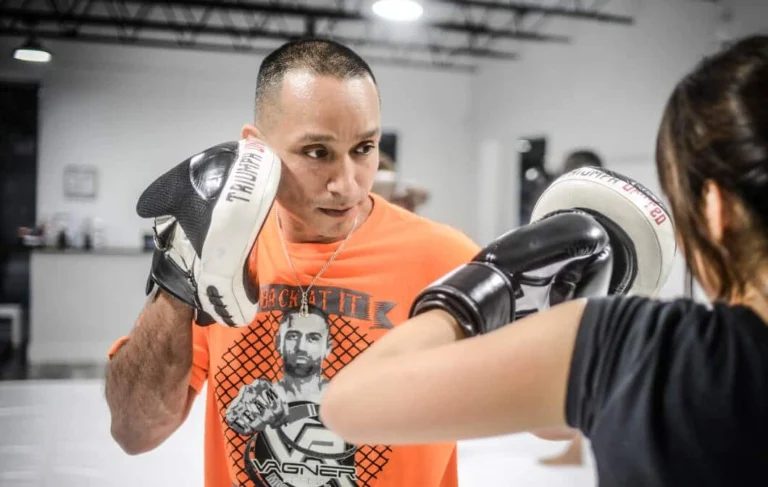
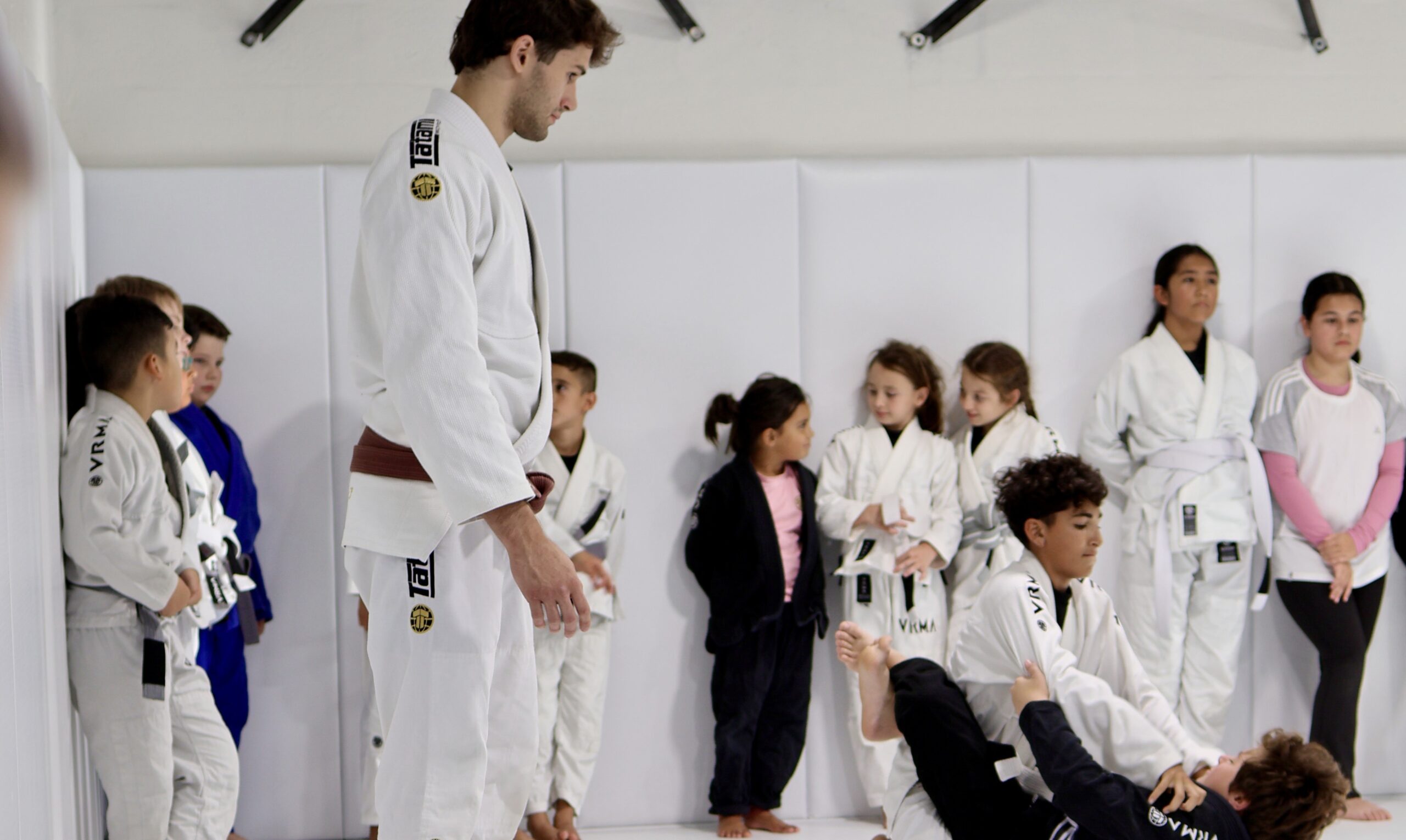
At Vagner Rocha Martial Arts, head coach Vagner Rocha is a UFC veteran and ADCC medalist with more than 20 years in the sport. You can learn more about Vagner Rocha’s competitive career and bring your questions about safe training to any coach on the mats.
Putting These Safety Habits Into Practice
Warm up, keep your gear clean, tap early, move with control, and rest between hard sessions. None of these habits are complicated, but together they make a big difference over months and years of training.
If you are wondering how to avoid injuries in jiu jitsu without feeling overwhelmed, start with one or two of these habits this month. Once they feel automatic, add another one to your routine.
DISCOVER Vagner Rocha Martial Arts
CLICK HERETrain Safely and Keep Coming Back
Staying healthy is what lets you keep improving. When you understand how to avoid injuries in jiu jitsu, every class becomes a chance to learn something new instead of a risk you have to manage.
If you live in or around Hollywood, FL and want to train in a safe, welcoming space, come visit Vagner Rocha Martial Arts. Try a class, meet the team, and see how much better training feels when safety comes first.