Why Side Control Escapes Matter for Every Grappler
Learning how to escape side control in jiu jitsu is one of the first real challenges new students face. The position combines heavy pressure, limited space, and constant submission threats, which makes calm, structured defense essential.
For grapplers in Hollywood, FL, building solid escapes early creates confidence in every round. The Brazilian Jiu Jitsu programs at Vagner Rocha Martial Arts offer a structured setting to practice these defensive fundamentals with training partners.
DISCOVER VAGNER ROCHA MARTIAL ARTS
CLICK HEREUnderstanding the Side Control Position
Before drilling any technique, it helps to understand what your opponent is trying to achieve. A strong top player uses angles, weight distribution, and grips to keep you flat, so your defense starts with recognizing those controls.
Why Side Control Feels So Heavy
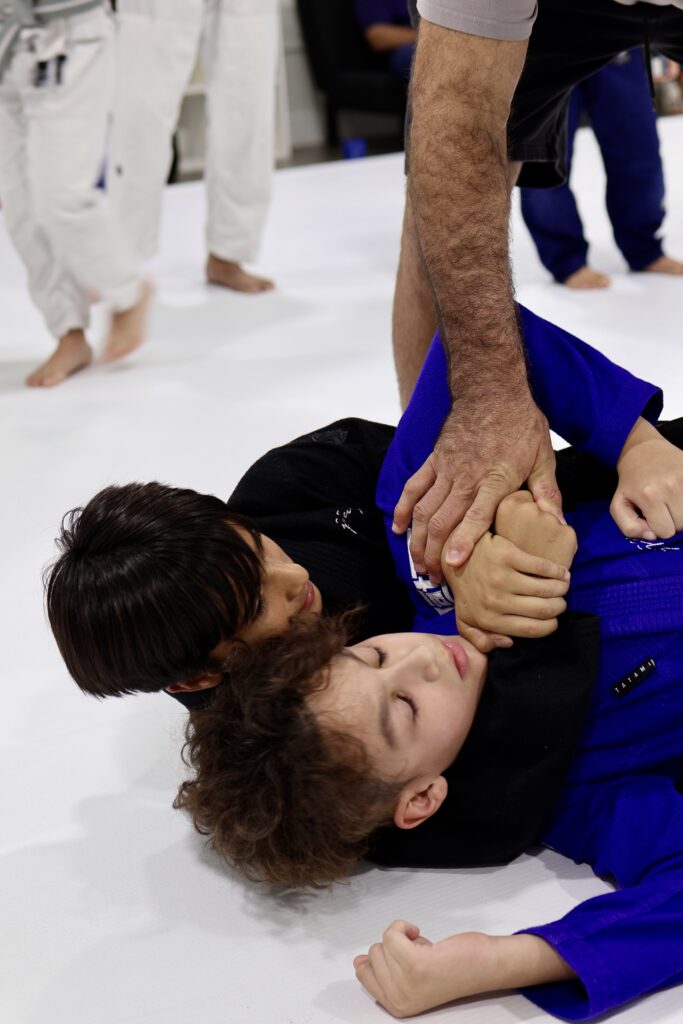
From the top, your opponent typically controls your head with a crossface and blocks your hips with an underhook or knee. Their chest pressure sits on yours, making every breath feel harder and every movement slower.
That pressure also creates fatigue and panic, which lead to reckless bursts of energy. Staying composed is part of how you avoid injuries in jiu jitsu, because explosive, uncontrolled escapes often strain the neck, shoulders, and lower back.
Building Strong Frames Instead of Pushing
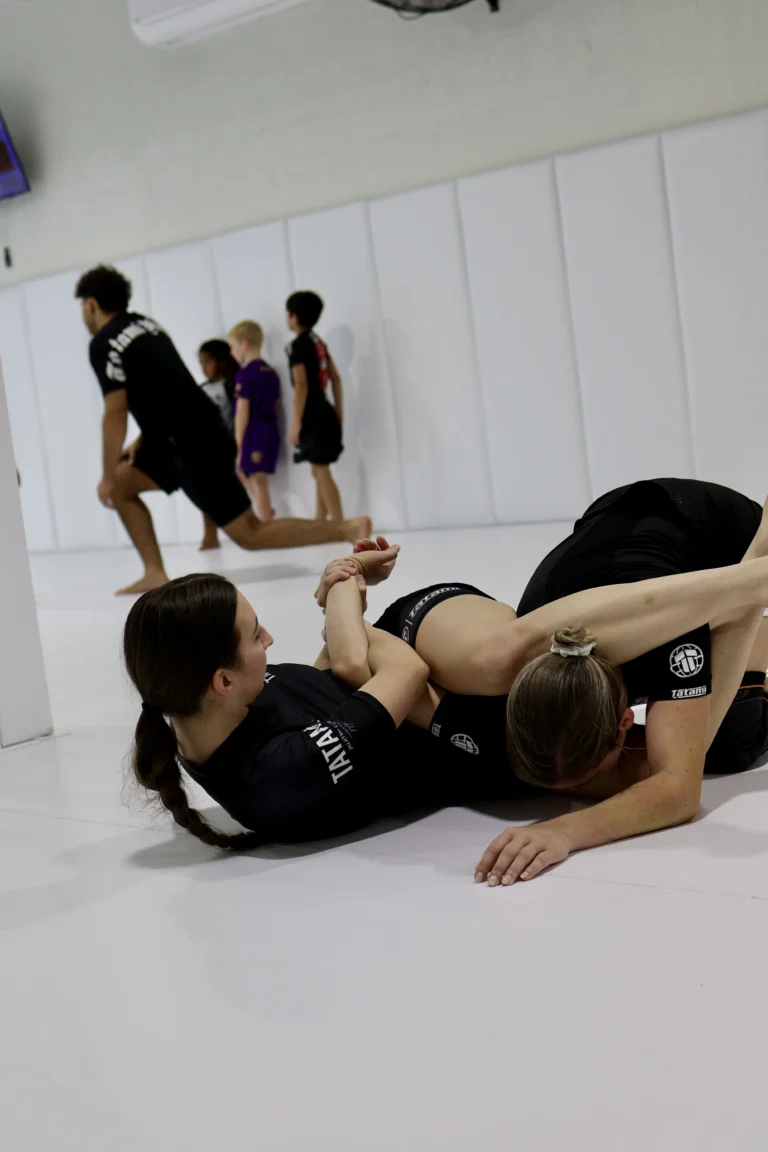
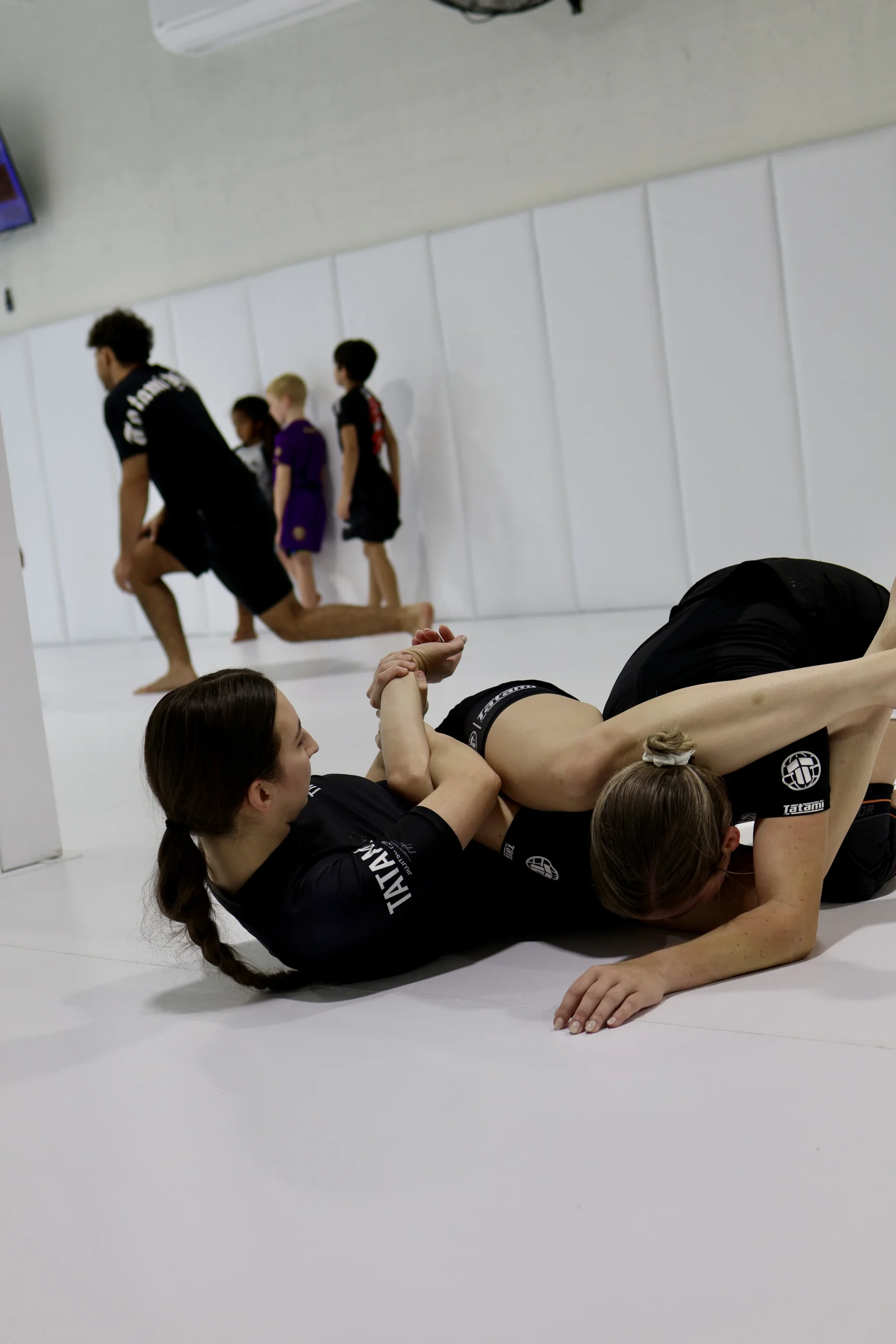
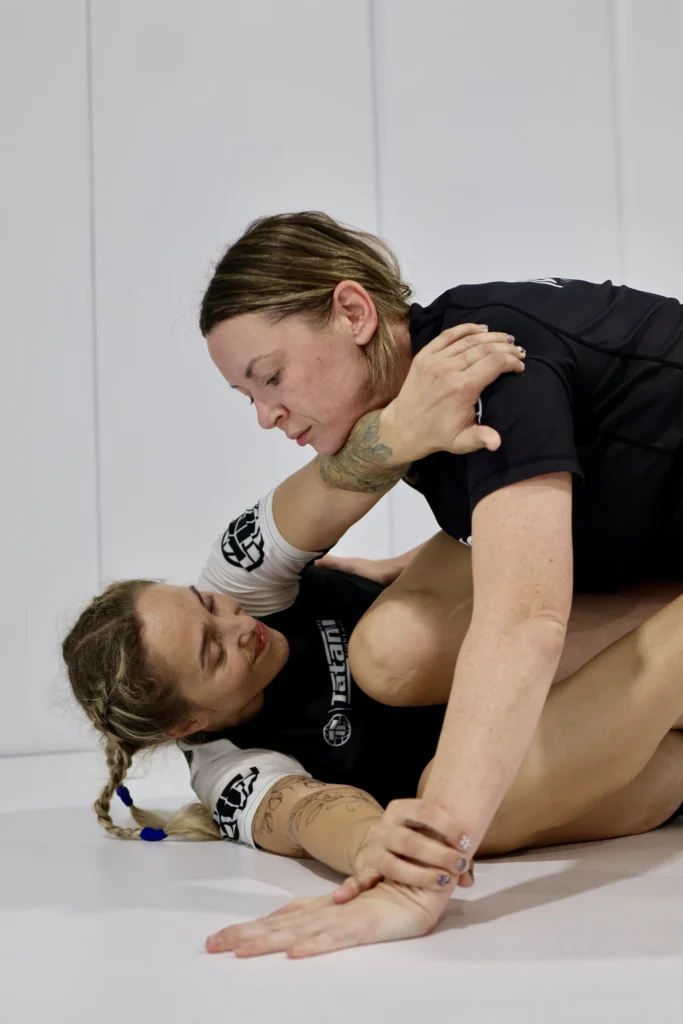
A frame is a skeletal structure that holds space without relying on arm strength. The most common setup places your near forearm across the opponent’s neck or collarbone while your far hand braces against their hip.
Frames do not move your partner away; they stop them from closing the gap. Once the frame holds, your hips do the real work, creating the space you need to recover a better position.
Winning the Inside Position With Your Elbows
Your elbows belong tight to your body, with the near elbow guarding the space between you and the opponent’s hips. When the elbow drifts away, the top player can slide a knee in or isolate an arm.
Inside position is a concept every new student meets early, and it is a central theme when starting jiu jitsu as a beginner. Keeping your elbows connected to your ribs protects you from many common attacks.
Getting Off Your Back and Onto Your Side
Lying flat gives your opponent full use of their body weight. Turning slightly toward them, onto your hip, shortens their lever and lets your legs start contributing to the escape.
This small turn also reduces the reach of the crossface. Think of your back as the worst place to be and your side as the starting line for every escape attempt you make.
How to Escape Side Control in Jiu Jitsu: Core Techniques
Once your frames and posture are in place, you can choose an escape based on your opponent’s weight and grips. These three options form a reliable foundation that many coaches return to throughout a student’s development.
The Hip Escape to Guard Recovery
After setting your frames, bridge slightly to lift the opponent’s weight, then shrimp your hips away from them. The space you create allows you to slide your bottom knee inside and rebuild your guard.
This movement translates well to no-gi grappling, where fewer grips are available and frames matter even more. Without a collar to hold, the hip escape becomes your primary tool for creating distance.
Going to Your Knees With the Underhook
If your opponent’s hips drift too high or their weight shifts toward your head, dig your near arm underneath their armpit. Turn into them, come up on your knees, and work toward a takedown or scramble.
Timing is essential, because a late underhook can expose your back. Commit to the turn fully once the arm is in, keeping your head tight to their body throughout the movement.
The Bridge and Roll Reversal
When the top player leans too far across your body, their base becomes vulnerable. Trap an arm, bridge explosively toward your opposite shoulder, and roll them over to finish in a top position.
This reversal teaches you to read balance and weight distribution, skills that grow alongside the jiu jitsu belt progression system. Learning when not to bridge is as important as learning the bridge itself.
Training Habits That Make Escapes Work
Knowing how to escape side control in jiu jitsu is only half the process; applying it under resistance requires consistent practice. These habits help you turn isolated drills into reactions that appear naturally during live rolling.
Common Mistakes to Avoid on Bottom
Pushing with straight arms is one of the most frequent errors, since an extended arm invites armbars and kimuras. Another mistake is turning away from your partner, which often surrenders your back.
Bridging without frames wastes energy, because the opponent simply follows your movement. Fix these habits first, and every escape you learn afterward will become more efficient and much safer.
Drills That Build Escape Reflexes
Solo shrimping drills along the mat build the hip movement every escape requires. Partner drills with light resistance then help you connect frames, bridges, and guard recovery into one smooth sequence.
Positional sparring from bottom side control is especially valuable. Starting each round in the position gives you dozens of repetitions in a single class instead of waiting for it to happen during free rolling.
Using Your Opponent’s Transitions
Many escapes happen while the top player moves between positions, such as stepping to mount or knee on belly. During those moments, their base is temporarily weaker and your frames gain extra leverage.
Stay alert instead of resting underneath. Recognizing these windows turns a defensive position into a real opportunity, and patience often creates better chances than constant struggling.
Technical Guidance for Practicing Side Control Escapes
Focus on one escape at a time, beginning with frames and the hip escape before adding reversals. Ask your instructor for feedback on your elbow position, because small details often decide whether an escape succeeds.
At Vagner Rocha Martial Arts, you can practice these fundamentals with guidance from the academy’s coaching team. Check the current class schedule to find a session that fits your routine.
Putting Your Escape Game Together
Strong side control defense rests on a clear sequence: frame, turn to your side, move your hips, and then choose an escape. Understanding how to escape side control in jiu jitsu is about structure, not strength.
As your escapes improve, you will feel more comfortable in demanding rounds and tournaments. If you plan to compete, a thoughtful competition prep routine helps your defensive skills hold up under pressure.
DISCOVER VAGNER ROCHA MARTIAL ARTS
CLICK HEREBuild Confident Defense One Round at a Time
Mastering how to escape side control in jiu jitsu takes patience, repetition, and honest feedback from training partners. Each frame you hold and every hip escape you complete builds the composure that carries into other positions.
If you live in Hollywood, FL, or nearby South Florida communities, consider joining the local grappling community at Vagner Rocha Martial Arts. Visit the mats, meet the coaches, and start developing defense that lasts.